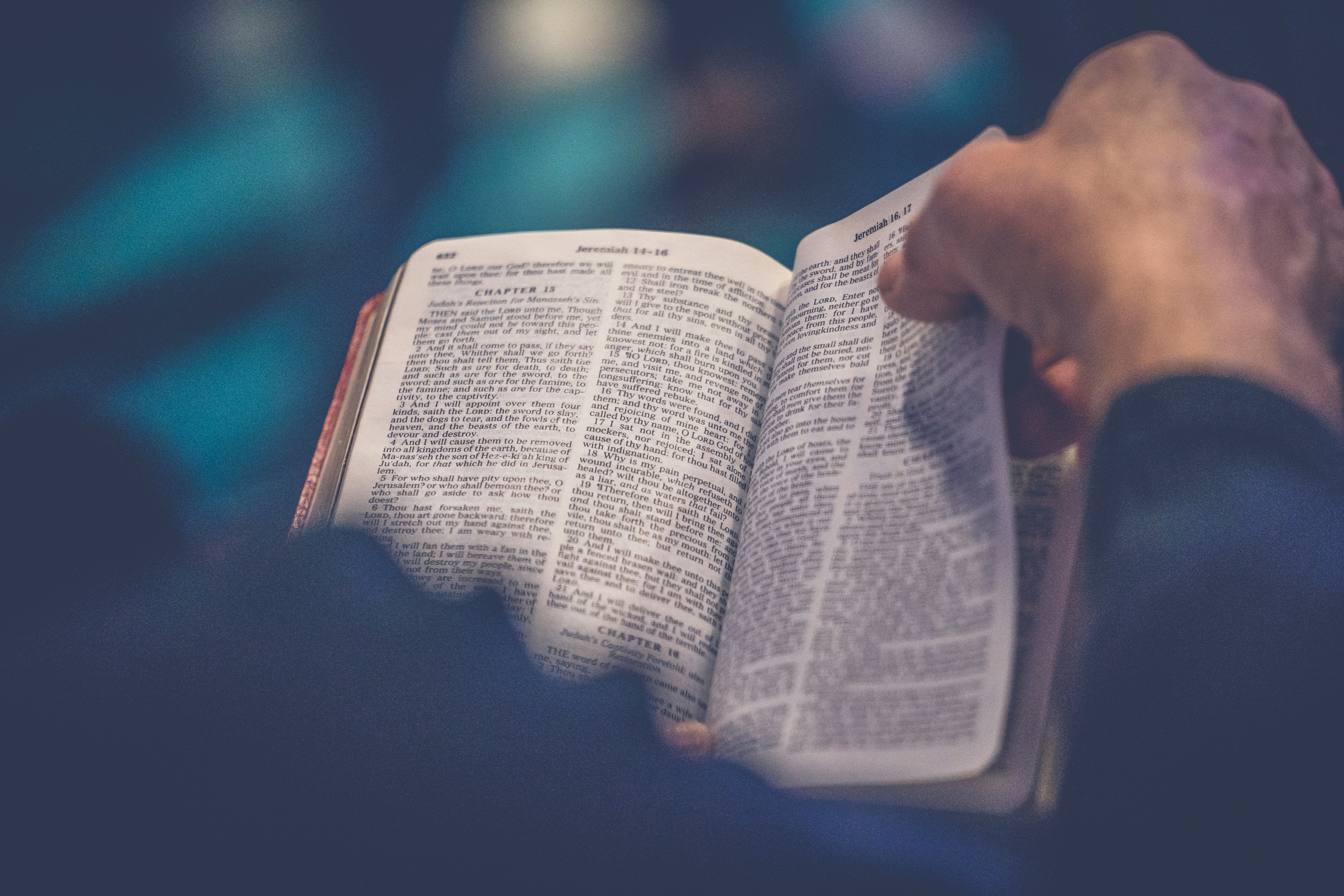
Psalm 103: Remembering the Goodness and Faithfulness of God
“Psalm 103:2”
A reflection on Psalm 103 that encourages believers to remember God's forgiveness, compassion, love, and faithfulness. This chapter reminds us to praise the Lord and never forget His many benefits in our lives.
Psalm 103 is one of David's most beloved songs of worship and thanksgiving. Unlike many psalms that begin with a cry for help or a complaint, Psalm 103 begins with praise. David speaks directly to his own soul, urging himself to remember the goodness and faithfulness of God. This psalm teaches us an important spiritual truth: gratitude does not happen automatically. Human nature tends to focus on problems, disappointments, and unanswered prayers. David knew that if he did not intentionally remember God's blessings, he could easily become discouraged or distracted. Therefore, he commands his soul to praise the Lord and remember His benefits.
Introduction
"Praise the Lord, my soul, and forget not all his benefits."
— Psalm 103:2
Psalm 103 reveals the character of God—His forgiveness, compassion, mercy, patience, justice, and everlasting love. It reminds believers that worship is not based merely on circumstances but on who God is and what He has done.
David begins by listing several blessings that God provides to His people. These are not temporary gifts but life-changing realities that reveal God's heart toward His children.
Remember God's Benefits (Psalm 103:1–5)
God Forgives All Our Sins
The greatest blessing is forgiveness. Sin separates us from God, but through His mercy He offers pardon and restoration. David understood that no amount of human effort could erase sin. Only God's grace can cleanse a guilty heart. Forgiveness brings freedom from shame, guilt, and condemnation. It restores our relationship with God and allows us to experience peace.
God Heals Our Diseases
God is our healer. While not every illness is immediately removed, God remains the source of all healing—physical, emotional, mental, and spiritual. Many people carry wounds that are invisible to others: broken relationships, disappointments, fears, and emotional scars. God cares about every part of our lives and desires to bring healing and wholeness.
God Redeems Our Lives From Destruction
The word "redeem" means to rescue or buy back. Many times God protects us from consequences we never even realize. He rescues us from spiritual destruction and gives us new life and purpose. Every believer has a testimony of God's saving grace. Looking back often reveals moments where God's hand was protecting, guiding, and preserving us.
God Crowns Us With Love and Compassion
Rather than treating us according to our failures, God surrounds us with steadfast love. His compassion is not earned; it is given freely because of His character. The image of being "crowned" reminds us that God's love is not small or occasional—it is abundant and constant.
God Satisfies Our Desires With Good Things
The world promises satisfaction but often leaves people empty. God alone can satisfy the deepest needs of the human heart. True fulfillment comes not from possessions, success, or recognition but from a relationship with Him.
God Renews Our Strength
Life can be exhausting. We face challenges, responsibilities, disappointments, and spiritual battles. Yet God continually renews His people and gives strength for each day. Just as an eagle soars above storms, God enables believers to rise above difficulties through His power.
Reflection
How often do we focus on what we lack rather than what God has already given us? David teaches us that gratitude grows when we intentionally remember God's blessings.
One of the most comforting pictures in this psalm is the comparison between God's love and the compassion of a father.
God's Compassion Is Like a Loving Father (Psalm 103:13–14)
"As a father has compassion on his children, so the Lord has compassion on those who fear him."
— Psalm 103:13
A loving father understands the weaknesses and limitations of his children. He does not expect perfection but patiently teaches, guides, and corrects. In the same way, God understands us completely.
God Knows Our Weaknesses
Verse 14 says: "For he knows how we are formed, he remembers that we are dust." God knows our struggles, temptations, fears, and limitations. Nothing about us surprises Him. This truth should encourage us because God does not love an ideal version of us. He loves us as we are and patiently works in us to transform us.
God's Compassion Produces Security
Many people struggle with feelings of failure or inadequacy. Psalm 103 reminds us that God's love is not based on our performance. His compassion gives us confidence to approach Him even when we fall short.
Reflection
How does knowing that God understands your weaknesses change the way you approach Him in prayer?
David celebrates God's mercy by describing how completely God removes sin.
God's Forgiveness Is Complete (Psalm 103:8–12)
"As far as the east is from the west, so far has he removed our transgressions from us."
— Psalm 103:12
This is one of the most powerful descriptions of forgiveness in Scripture.
Forgiveness Means Separation From Sin
East and west never meet. David uses this image to show that God completely removes the guilt of those who repent and trust Him. God does not merely hide our sins; He removes them.
God Does Not Treat Us As Our Sins Deserve
Verse 10 says: "He does not treat us as our sins deserve or repay us according to our iniquities." If God dealt with us strictly according to justice, none of us could stand before Him. Instead, He offers mercy through His grace.
Forgiveness Leads to Freedom
Many believers continue carrying guilt long after God has forgiven them. Psalm 103 reminds us that when God forgets, we are truly forgiven. We do not need to live trapped by past failures.
Reflection
Are there past mistakes that you have struggled to release even after receiving God's forgiveness?
David contrasts the temporary nature of human life with the everlasting nature of God's love.
God's Love Never Fails (Psalm 103:15–18)
"But from everlasting to everlasting the Lord's love is with those who fear him."
— Psalm 103:17
Human Life Is Temporary
David compares human life to grass and flowers that bloom for a short time and then fade away. This reminds us that earthly achievements, possessions, and status are temporary.
God's Love Is Eternal
Unlike human relationships that sometimes fail, God's love never changes. His love existed before we were born and will continue forever.
God's Faithfulness Extends Across Generations
God's covenant love impacts not only individuals but also families and future generations. Parents and spiritual leaders have the privilege of passing faith and knowledge of God to those who come after them.
Reflection
What temporary things are competing for your attention and affection more than your relationship with God?
The psalm concludes by expanding the focus from David's personal praise to universal worship. David calls: This reminds us that worship is not merely a Sunday activity. Worship is the proper response of all creation to the greatness of God. God deserves praise not only because of what He does but because of who He is.
A Call for All Creation to Worship (Psalm 103:19–22)
Life Application
Key Takeaways
Discussion Questions